
types of bulletproof glass
Stainless Steel Check Valve An Essential Component for Fluid Management In various industrial applications, the proper management of fluid flow is crucial to ensuring efficiency and safety. A key component in achieving this is the check valve, specifically the stainless steel check valve. This type of valve plays a vital role in preventing backflow in piping systems, thereby maintaining the integrity of the process and the quality of the fluid being transported. Stainless steel check valves are designed to handle a wide range of fluids, including water, chemicals, and gases. Their robustness stems from the properties of stainless steel, which offers excellent corrosion resistance and durability. This makes them ideal for environments where other materials might fail due to chemical exposure or extreme conditions. One of the primary advantages of stainless steel check valves is their ability to function effectively in high-pressure systems. With operating pressures that can exceed 300 PSI, these valves are perfect for applications in oil and gas, chemical processing, and water treatment facilities. Their design ensures that they can withstand significant pressure changes without compromising performance. The working mechanism of a check valve is based on a simple yet effective principle. When fluid flows in the intended direction, the valve opens, allowing the fluid to pass through. In the event of reverse flow, the valve closes automatically, thanks to gravity or spring action, which prevents backflow. This self-activating function makes stainless steel check valves reliable and low-maintenance, as they do not require manual operation. stainless steel check valve In addition to their practical functionality, stainless steel check valves are available in various designs to meet different operational requirements. Common types include swing check valves, lift check valves, and ball check valves . Each type has its specific advantages, allowing engineers to select the most suitable design for their particular application. For instance, swing check valves are often favored for their minimal pressure drop, while lift check valves are preferred in systems requiring quick response times. Moreover, stainless steel check valves can be easily integrated into existing systems. Their standardized dimensions and compatibility with various piping systems make installation straightforward. This ease of integration is a significant factor in their popularity in new constructions and retrofitting projects. Another noteworthy aspect of stainless steel check valves is their contribution to environmental sustainability. By preventing backflow, these valves help limit the contamination of clean fluids, reducing the risk of costly clean-up operations and environmental damage. As industries increasingly focus on sustainability, the role of reliable components such as check valves becomes more critical. Furthermore, the market for stainless steel check valves is continually evolving. New advancements in manufacturing processes and materials science are leading to the development of valves that are even more efficient and reliable. Innovations such as enhanced sealing solutions and anti-corrosion coatings extend the lifespan of these valves, making them a cost-effective choice for long-term applications. In summary, stainless steel check valves are indispensable elements in the realm of fluid management. Their robust design, reliability, and versatility make them suitable for a myriad of applications across various industries. As technology advances, the capabilities of these valves will undoubtedly continue to improve, solidifying their essential role in maintaining fluid integrity and supporting sustainable industrial practices. For anyone involved in system design or maintenance, understanding the importance of stainless steel check valves is crucial for ensuring optimal fluid flow management and operational efficiency.
about
types of bulletproof glass
How to Turn Off the Water Valve A Step-by-Step Guide In any household, knowing how to turn off the water valve can be a crucial skill. Whether you are dealing with a leak, preparing for plumbing repairs, or dealing with an emergency situation, having the ability to shut off the water supply can save you time, money, and prevent further damage. This article will guide you through the process of locating and turning off your water valve, as well as provide some useful tips for maintaining your plumbing system. Understanding the Water Valve The water valve is a crucial component of your plumbing system. It controls the flow of water into your home and is typically located near the main water line. In many cases, there are two main types of water valves you should be aware of the main shut-off valve and individual fixture shut-off valves. The main valve controls the water supply to your entire home, while individual fixture shut-off valves are located near sinks, toilets, or appliances. Locating the Main Water Shut-Off Valve Before you experience a plumbing issue, it’s essential to know where your main shut-off valve is located. Common places include 1. Basement or Crawl Space In many homes, the main valve is situated in the basement or a crawl space close to where the water line enters the house. 2. Outside Some homes have their main shut-off valve located outside, often in an underground pit or in a box near the foundation. 3. Utility Room In certain houses, the valve may be found in a utility room where the water heater and other plumbing fixtures reside. Turning Off the Water Valve Once you’ve located your main shut-off valve, turning it off is a straightforward process 1. Identify the Type of Valve The two most common types of valves are gate valves and ball valves. A gate valve typically has a round or oval handle, while a ball valve has a lever-style handle. 2. For a Gate Valve To turn off a gate valve, you will need to turn the handle clockwise until it stops . It may require some effort, especially if it hasn’t been turned in a long time. turn off water valve 3. For a Ball Valve Simply turn the lever perpendicular to the pipe. A 90-degree turn should close the valve completely. After shutting off the valve, you may want to open some faucets in your home to relieve pressure in the pipes and ensure the water supply is fully turned off. Individual Fixture Shut-Off Valves In addition to the main shut-off valve, familiarize yourself with the shut-off valves for individual fixtures. These are particularly useful for small leaks or repairs without turning off the water for the entire house. They are typically located - Under Kitchen and Bathroom Sinks Look for small valves attached to the water pipes. - Behind Toilets Most toilets have a valve on the wall or floor near the base. To turn these off, simply twist the valve handle clockwise until it stops. What to Do After Turning Off the Water After you’ve successfully shut off the water, it’s essential to assess the situation - Check for Leaks Inspect the area for any ongoing leaks or damages. - Make Necessary Repairs Whether it’s patching a leak or replacing a fixture, now is the time to address plumbing issues while the water is off. - Consider Professional Help If you are unsure about the severity of the problem or the repairs needed, call a professional plumber for assistance. Maintenance Tips To ensure your water valve functions properly when you need it, perform regular maintenance - Test Your Valves Regularly Exercise your valves every few months by turning them on and off. This helps prevent them from seizing up. - Inspect for Corrosion Look for any signs of rust or damage, particularly on older valves, and replace them if necessary. - Know Your Plumbing System Understanding your plumbing layout will make it easier to locate and operate the valves in emergencies. In conclusion, knowing how to turn off the water valve in your home is an invaluable skill. Whether you're preparing for repairs or handling emergencies, being proactive and equipped with knowledge can prevent stress and costly damages. Make it a habit to familiarize yourself with your plumbing system, and you’ll be better prepared for any situation that arises.
-

High quality industrial productsagement

High quality industrial products
View Details -

Meet the diverse needs of customers

Meet the diverse needs of customers
View Details -

Strict quality control

Strict quality control
View Details -

Top raw materials

Top raw materials
View Details -

Trusted supplier

Trusted supplier
View Details
Our application


news and information
Válvula Principal de Água - Soluções Eficientes para Controle de Água
Válvula Principal de Água A Vital Importância no Sistema Hidráulico A válvula principal de água é um
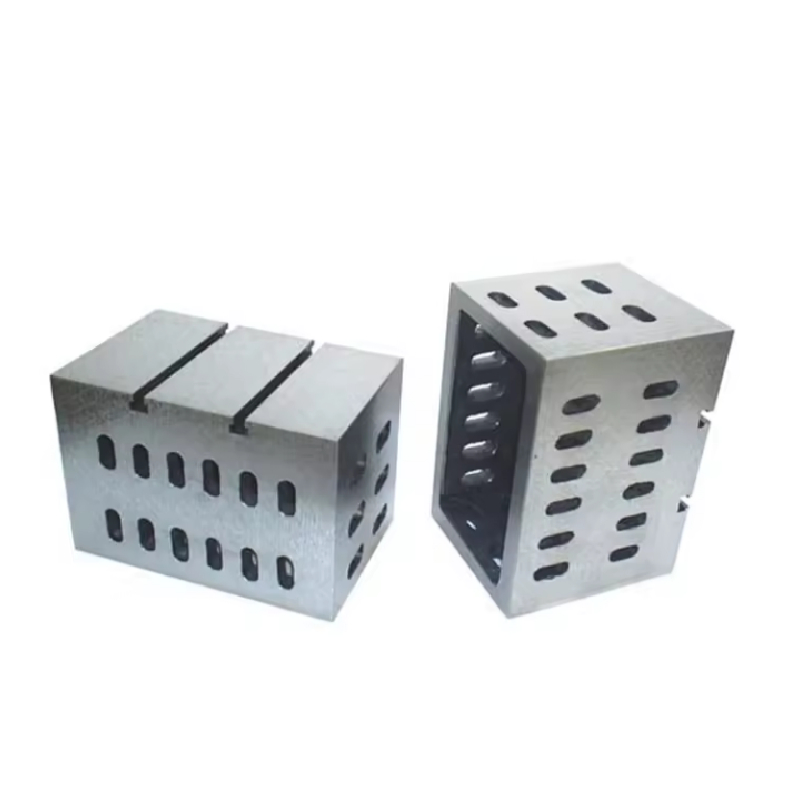
Various Control Valve Types and Their Industrial Uses Explained
Types of Control Valves and Their Applications Control valves are essential components in various in
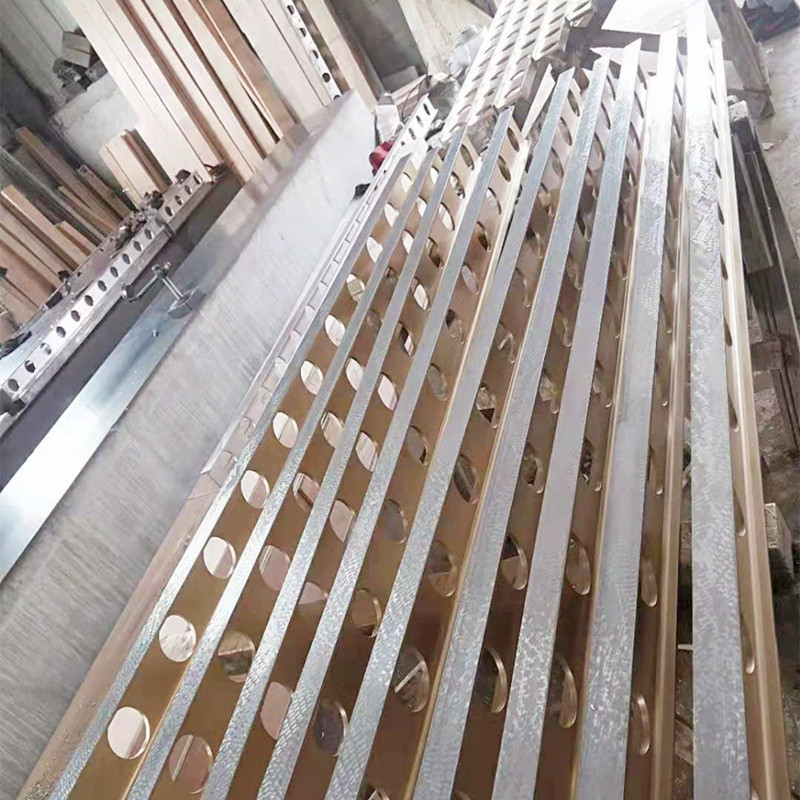
What Are the Different Types of Gate Valves_
When diving into the world of industrial flow control, understanding the various types of gate valve
 English